
The RedBook Insider: Heavy Thinking: Are We Ready for the Weight of Electrification?
The next generation of electrified SUVs is rewriting what performance looks like. Take the Denza B8 plug-in hybrid (PHEV): up to eight-seat, body-on-frame SUV weighing around 3.3 tonnes, or the highly popular BYD Shark 6 PHEV in new Performance guise tipping the scales at over 2.7 tonnes. Both represent extraordinary engineering, near-supercar acceleration from a family off-roader and workhorse, both with meaningful electric-only range and the promise of dramatically lower fuel use in daily driving.

The Denza B8 lugs around ~800kg more mass than a Prado which is roughly the weight of ten adult passengers!
But the weight question is becoming harder to ignore. A Toyota LandCruiser Prado typically sits in the mid-2.5-tonne range, while the Ford Ranger Wildtrak, one of the leading 4x4 ute benchmarks, comes in just shy of 2.4 tonnes, both already considered heavy by traditional standards. PHEVs and BEVs then add battery mass, electric motors and reinforced structures, often pushing tare weights well beyond what our roads, tyres and safety assumptions were originally designed around. Whilst battery technology is fast evolving, we’re still a few years away from affordable, mainstream solid-state batteries that can materially ease the competing demands of weight, packaging and range.
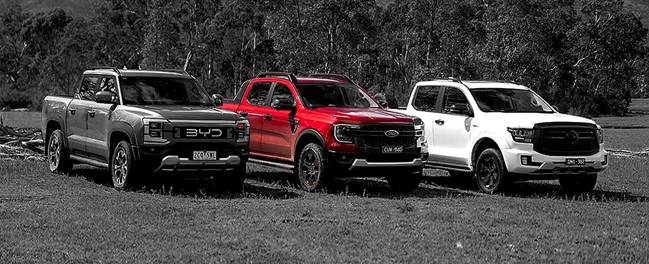
That additional mass has consequences well beyond fuel economy. Heavier vehicles increase road loading, can accelerate tyre wear, and may create more severe crash dynamics when they meet Australia’s ageing car parc. With the average passenger vehicle according to BITRE now around 11.1 years old, many motorists are driving vehicles developed against older safety standards and without the latest crash-avoidance technology.
At the same time, new energy vehicles are no longer fringe. According to VFACTS, YTD May 2026, combined BEVs / PHEVs represented 23% of new light vehicle sales (up from 11.1% PYTD), with momentum continuing. As fuel excise revenue becomes less aligned to road use, the question is not whether governments will revisit road-user charging, but when, and how fairly it can be applied.
The electrified transition is exciting, necessary and commercially significant. But as powertrains evolve, the industry may need to broaden the conversation from emissions alone to mass, infrastructure, safety equity and the true cost of mobility.
Recent Posts
-
 The RedBook Insider: The Value Gap Reshaping Australia’s New Car Market3rd July 2026
 -
 The RedBook Insider: ADAS Fitment is Surging - But the Risk Pool Is Still Stuck in the Past3rd July 2026
 -
 The RedBook Insider: Heavy Thinking: Are We Ready for the Weight of Electrification?3rd July 2026